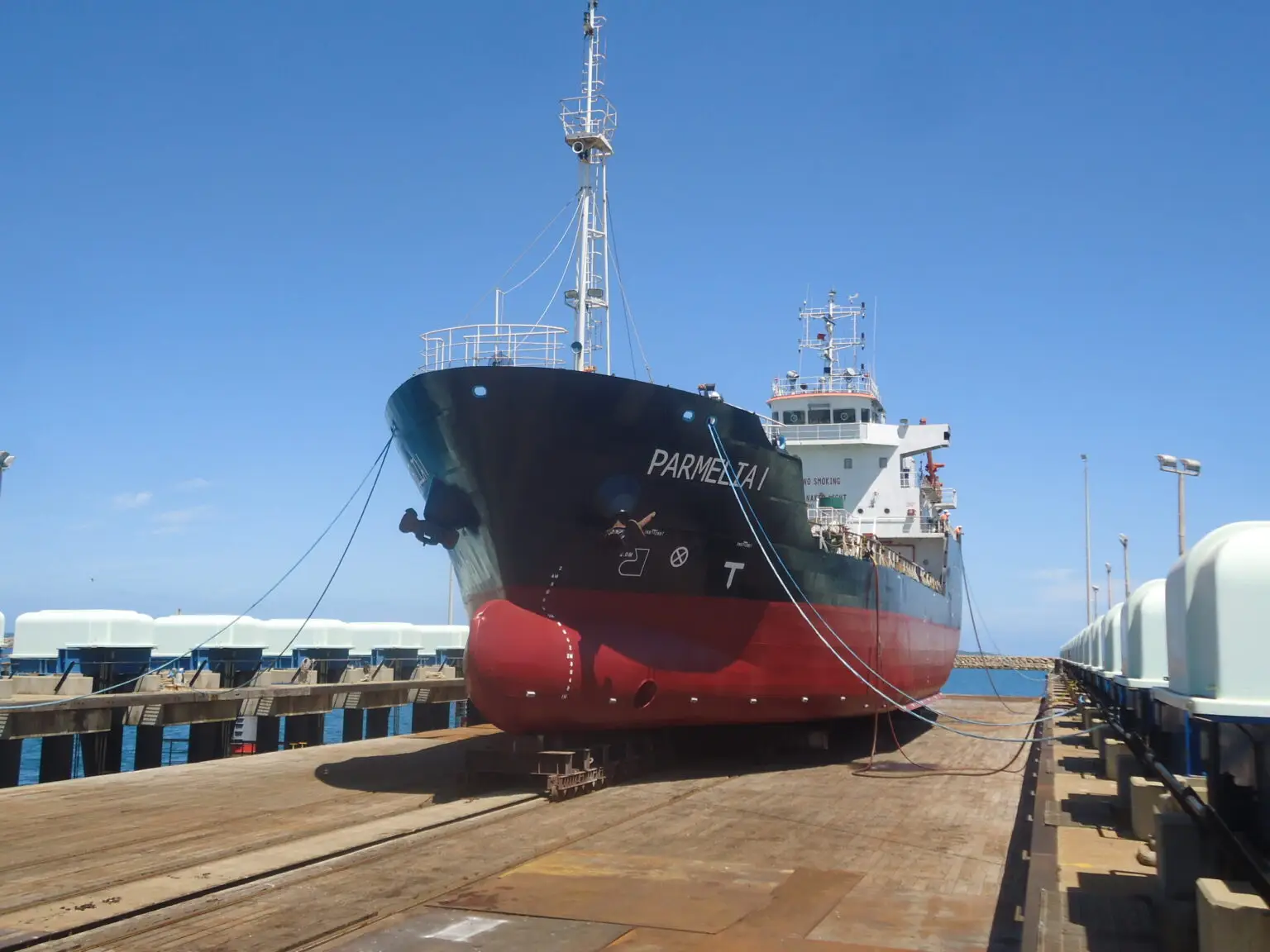
Ship Lift Systems: A Modern Approach to Dry Docking and Vessel Transfer
Ship lift systems have transformed how shipyards dock, repair, and transfer vessels. By lifting vessels vertically from the water and transferring them ashore on rail-mounted systems, ship lifts provide an efficient alternative to traditional dry docks while maximizing waterfront utilization and operational flexibility.
Today, ship lift facilities support naval vessels, commercial ships, ferries, offshore craft, and workboats worldwide, offering a safe, repeatable method for handling vessels for inspection, maintenance, repair, and construction.
What Is a Ship Lift System
A ship lift system is a mechanical lifting facility that raises a vessel from the water and transfers it to a land-based repair or storage area.
Unlike a graving dock, which removes water from around a vessel, a ship lift raises the vessel on a lifting platform supported by synchronized hoists. Once elevated, the vessel can be transferred to work areas using a transfer system.
The result is a highly efficient way to move vessels from the waterfront to positions where maintenance can be performed.
Why Ship Lift Systems Matter
As shipyards face increasing pressure to improve productivity and maximize available space, ship lifts provide significant operational advantages.
Ship lift facilities help:
- Increase vessel throughput
- Reduce docking turnaround times
- Maximize waterfront utilization
- Expand repair capacity
- Improve operational flexibility
- Reduce dependence on traditional dry dock infrastructure
For many facilities, a ship lift can serve multiple workstations from a single lifting location, improving overall yard efficiency.
Principal Components
While designs vary, most ship lift systems consist of several key elements.
Lifting Platform
The platform supports the vessel during lifting operations and distributes loads into the lifting system.
Support arrangements typically include:
- Keel blocks
- Bilge supports
- Adjustable support systems
- Transfer cradles
Hoisting System
Multiple synchronized hoists lift the platform vertically.
Common systems include:
- Wire rope hoists
- Winch-driven systems
- Hydraulic systems
Careful synchronization is essential to maintain platform level and load distribution.
Transfer System
Once elevated, the vessel is transferred ashore using rail-mounted transfer equipment.
Transfer systems allow vessels to be moved to:
- Repair bays
- Construction areas
- Storage positions
- Launch facilities
Control System
Modern facilities utilize computerized control systems to monitor:
- Lift elevations
- Platform alignment
- Load distribution
- Hoist performance
- Safety systems
These systems improve both operational accuracy and safety.
How a Ship Lift Operates
The operating sequence follows several key stages.
Vessel Positioning
The vessel enters the lift basin and is aligned over the lifting platform.
Proper positioning is critical to ensure the support loads transfer correctly.
Landing
Raise the platform until the vessel lands on the support arrangement.
At this stage, careful monitoring is required to verify:
- Vessel alignment
- Load distribution
- Support engagement
Lifting
The platform continues rising until the vessel is fully clear of the water.
The lifting operation must maintain uniform support throughout the process.
Transfer
The vessel is transferred ashore using a transfer system or cradle arrangement.
Once positioned in the designated work area, maintenance or repair activities can begin.
Engineering Considerations
Ship lift operations depend heavily on engineering analysis and planning.
Important considerations include:
- Vessel weight and displacement
- Load distribution
- Support spacing
- Platform capacity
- Hoist synchronization
- Structural support requirements
- Transfer system loading
As vessel loads are carried directly by the lifting platform, maintaining balanced reactions throughout the lift is essential.
Advantages of Ship Lift Systems
Ship lifts offer several advantages compared with conventional dry docks.
Increased Yard Capacity
A single lift can serve multiple work areas simultaneously.
Improved Throughput
Vessels can be transferred away from the waterfront, allowing the lift to accommodate additional vessels.
Operational Flexibility
Facilities can handle a variety of vessel classes using adjustable support arrangements.
Reduced Waterfront Congestion
Moving vessels inland creates additional operational space and improves workflow.
These benefits often make ship lifts attractive for high-volume repair facilities.
Common Challenges
Despite their advantages, ship lift systems require careful management and maintenance.
Common challenges include:
- Hoist synchronization
- Load balancing
- Transfer system alignment
- Mechanical reliability
- Structural maintenance
- Operational planning
Successful operations depend on both sound engineering and disciplined execution.
Modernization and Technology
Modern ship lift systems increasingly incorporate advanced technologies such as:
- Digital monitoring systems
- Real-time load measurement
- Automated controls
- Predictive maintenance systems
- Integrated operational reporting
Key Takeaway
Ship lift systems provide a highly efficient method of lifting, transferring, and supporting vessels for repair and maintenance activities. By combining synchronized lifting technology with land-based transfer systems, shipyards can increase capacity, improve workflow, and maximize the use of available infrastructure.
For dock masters, engineers, and shipyard managers, understanding ship lift systems is essential for planning safe lifting operations, managing vessel transfers, and supporting modern shipyard operations.