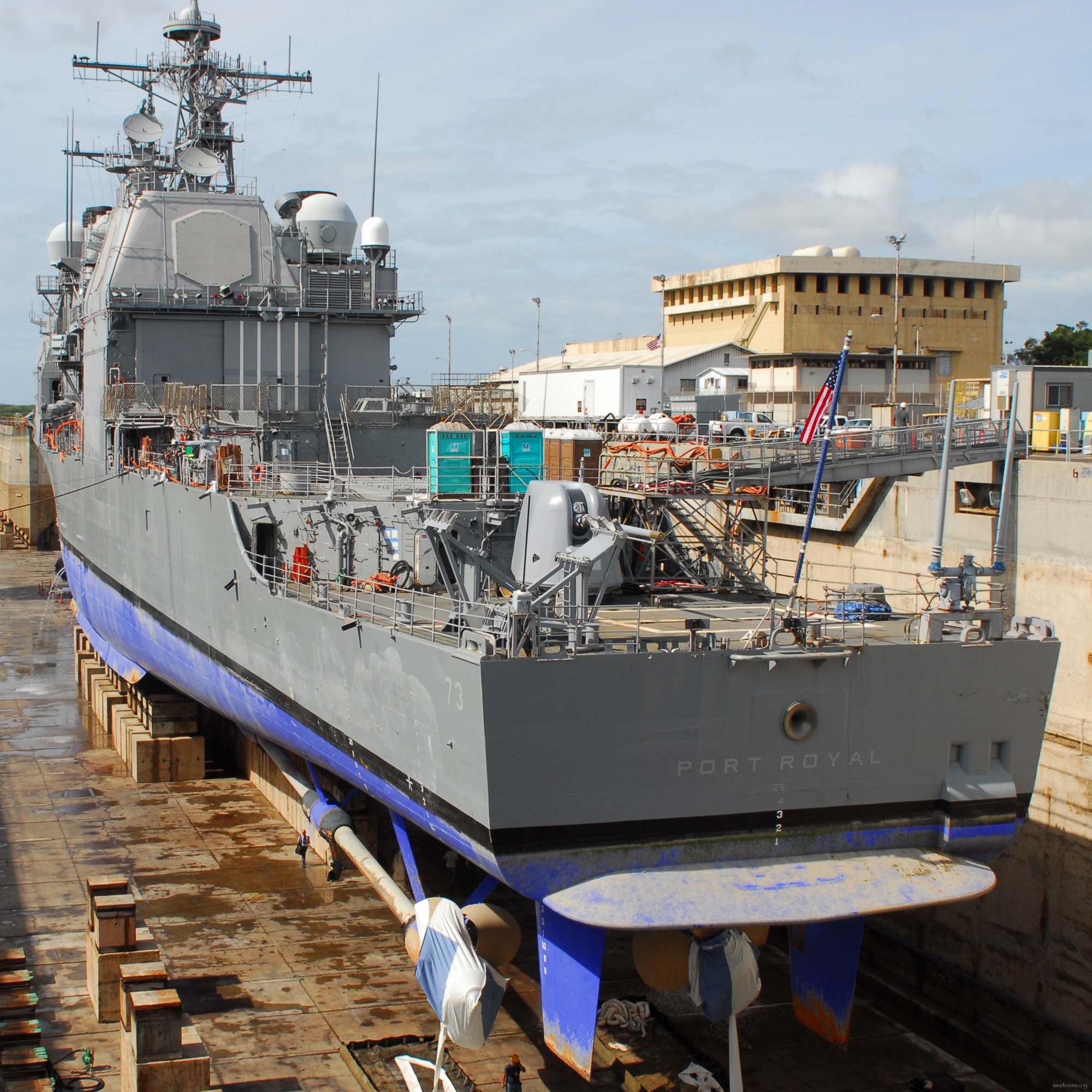
Ticonderoga-class guided missile cruiser (Port Royal) during docking operations at Dry-Dock # 4, Pearl Harbor Naval Shipyard
The Journey Begins: An Early Morning at Pearl Harbor's Dry Dock #4
Every Dock Master has a story about where the journey began. This is one of mine.
Long before I became involved with docking plans, load calculations, and managing complex dry-dock evolutions, I learned some of the most important lessons in shipyard operations standing on a dock floor before sunrise. One of those lessons began at Dry Dock No. 4 at Pearl Harbor Naval Shipyard as we prepared to dock a Ticonderoga-class guided missile cruiser.
What seemed like a routine day of dock preparation became an early reminder that successful dry-dock operations depend on far more than equipment and procedures.
Before Sunrise
At 2:30 a.m., I stood on the port side of the dry dock while the gantry crane operator completed startup checks. The massive dock lay mostly silent beneath the floodlights. Occasional harbor sounds mixed with the hum of machinery coming to life as crews prepared for a long day of operations.
The Sun had not yet risen, but preparations were already underway. Every task performed during those early hours would contribute to the success of the docking evolution that followed.
Preparing the Dock
By 3:30 a.m., the riggers, crane walkers, and crane operator assembled for a safety briefing. We reviewed responsibilities, procedures, and the sequence of operations to ensure everyone understood their role.
The crew then positioned the crane at the port stop log, and by dawn they removed both stop logs and installed the flood screens. The work proceeded efficiently, reflecting the team’s experience, professionalism, and coordination.
Although routine to experienced shipyard workers, removing stop logs and installing flood screens represented a critical step in transforming the dry dock into a controlled basin capable of receiving a warship. The team had to complete every task correctly before flooding operations could begin.
Flooding Operations
By 5:30 a.m., the team completed final preparations, including pump-well inspections, equipment checks, and verification of dock readiness.
At 7:00 a.m., flooding began.
As water slowly covered the dock floor, the morning sun rose over Pearl Harbor. The transition was gradual but significant. Months of planning, coordination, inspections, and preparation were now being put to the test.
What appeared to be a simple flooding evolution was actually the visible result of extensive teamwork and careful execution. Every team member understood that success depended on completing each step correctly and safely.
Floating the Caisson
By 1:00 p.m., the caisson floated free, and the team carefully moved it to its berth alongside the pier.
Moving a massive structure such as a caisson demands patience, precision, and constant communication. The team maintained careful control throughout the operation, ensuring the movement was completed safely and efficiently.
At 2:30 p.m., the team installed safety barriers and chains and introduced air at the sill to help prevent debris from entering the dock. With these final preparations complete, the dock was nearly ready to receive the ship.
End of the Day
By 3:00 p.m., the dock stood ready for the next phase of operations.
The crew was tired, but the team felt a sense of accomplishment. The day’s success reflected the professionalism, teamwork, and attention to detail required for every dry-dock evolution.
From the safety briefing before dawn to the final preparations that afternoon, countless individual actions had been combined to achieve a common objective. It was another reminder that successful shipyard operations are built upon discipline, preparation, and trust among the workforces.
Lessons Learned
That day reinforced a lesson I carried throughout my career.
Successful dry-dock operations are never simply about docks, cranes, pumps, or procedures. Those tools make the operation possible, but they do not guarantee success.
Success comes from the people who plan the work, perform the inspections, communicate effectively, and execute every task with professionalism and attention to detail.
The experience at Dry Dock No. 4 taught me that preparation, communication, and teamwork are the true foundations of every successful docking evolution. It was a lesson that remained with me throughout every dock, ship lift, and transfer operation that followed.