About Me
About Dry Docking World
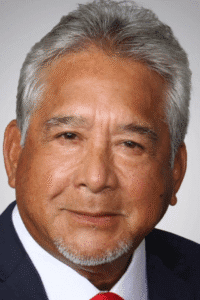
Dry Docking World was created to share knowledge, experience, and practical lessons from a career dedicated to dry docking, shipyard operations, and maritime engineering.
As a NAVSEA-certified Nuclear Dock Master and Royal Australian Navy-certified Dock Master, I have supported complex naval docking operations, Shipyard Modernization Initiatives, And Dry-Dock Infrastructure Programs In Both The United States and Australia.
Throughout my career, I have worked alongside engineers, naval architects, Shipyard Professionals, And Vessel Operators Responsible For Maintaining Some Of The World’s most demanding maritime assets. These experiences gave me valuable insight into the engineering, planning, and leadership required to safely support fleet maintenance and modernization.
I am also passionate about mentoring the next generation of maritime professionals. Over the years, I have seen how difficult it can be to find practical information that bridges the gap between technical theory and operational reality.
That realization inspired me to create Dry Docking World.
My Professional Journey
My maritime career began as a shipwright, where I developed a deep appreciation for the craftsmanship, precision, and teamwork required to maintain and repair vessels. Working hands-on in shipyards provided invaluable experience with vessel structures, docking requirements, and waterfront operations.
As my career progressed, I accepted positions of increasing responsibility in vessel docking, dry-dock operations, project coordination, engineering support, and shipyard management. Each role deepened my understanding of the systems, people, and planning required to execute safe and successful docking evolutions.
This journey ultimately led to my role as Dock Master, where I planned, coordinated, and safely executed complex docking and undocking operations.
Managing Complex Naval Docking Operations
Throughout my career, I have participated in and supervised docking operations involving a diverse range of naval vessels, including nuclear-powered submarines, guided-missile cruisers, destroyers, frigates, and other fleet assets.
Each vessel class presented unique challenges requiring careful planning, precise blocking arrangements, detailed engineering analysis, and close coordination among ship’s force personnel, naval architects, engineers, shipyard workers, and waterfront operations teams.
Successful docking operations require far more than simply placing a vessel in dry dock. They demand a thorough understanding of vessel characteristics, docking plans, structural loading, risk management, and disciplined execution of established procedures.
Every docking evolution requires meticulous preparation and attention to detail.
International Experience and Modern Shipyard Systems
In addition to my experience in the United States, I have had the opportunity to support shipyard projects in Australia, broadening my understanding of international ship repair practices, dry-dock operations, and modern vessel transfer technologies.
Working with advanced ship-lift and transfer systems provided valuable insight into the methods modern shipyards use to improve efficiency, flexibility, and operational capability. These technologies demonstrate how traditional dry-docking principles continue to evolve alongside advancements in engineering, automation, and infrastructure design.
Exposure to different shipyard environments, engineering standards, and operational requirements reinforced the importance of balancing proven maritime practices with emerging technologies. While facilities and equipment may differ, the fundamental principles of safety, planning, risk management, and engineering discipline remain essential to every successful docking operation.
This combination of traditional shipyard knowledge and modern infrastructure experience continues to influence the technical content shared throughout Dry Docking World, helping bridge the gap between established dry-docking practices and the next generation of maritime facilities.
Why the Dry-Docking World Exists
Throughout my career, I learned from talented shipwrights, engineers, supervisors, dock masters, and maritime professionals who generously shared their knowledge and experience.
Many of the most valuable lessons were never found in manuals, specifications, or technical publications. They were learned through mentorship, hands-on experience, problem-solving, and years spent working on the waterfront.
Those lessons shaped my understanding of dry-dock operations, engineering principles, leadership, and risk management.
Dry Docking World was created to continue that tradition of knowledge sharing.
My goal is to make complex dry-docking and shipyard concepts easier to understand by combining technical knowledge with practical experience.
Fair Winds and Following Seas
The maritime industry has always depended on the transfer of knowledge from one generation to the next. Throughout my career, I have benefited from the experience, mentorship, and guidance of those who came before me.
Sharing that knowledge with others is both a professional responsibility and a way of honoring that tradition.
Through Dry Docking World, I hope to contribute to the continued development of safer shipyards, stronger engineering practices, and more capable maritime professionals by sharing practical experience, engineering fundamentals, and lessons learned from real-world operations.
Whether you are just beginning your maritime journey or bringing decades of experience to the waterfront, I hope the information shared here helps you better understand the challenges, opportunities, and engineering principles that shape our industry.
Together, we can help preserve valuable knowledge, encourage professional growth, and support the continued advancement of the global maritime community.
Knowledge shared today helps build safer and more capable shipyards tomorrow.
Fair winds and following seas,
Frederick Bailey
Founder, Dry Docking World
NAVSEA-Certified Nuclear Dock Master
Royal Australian Navy Certified Dock Master